Level Design Plan
Overview
This document defines the design principles, structure, and expected behavior of the tutorial levels in ColdCase. It outlines how players will be introduced to core mechanics and how the levels will gradually increase in complexity to foster cooperative gameplay.
It also describes the difficulty of creating levels based on important questions and how we went about answering them.
Tutorial Levels
Design Goals - Tutorial
Progressive Learning Curve: Each level should introduce a new mechanic, reinforcing previously learned concepts.
Encouraging Cooperation: Players must learn to communicate and work together to solve puzzles.
Ensuring Clarity: Clear visual cues and intuitive interactions to minimize confusion.
Level Structure
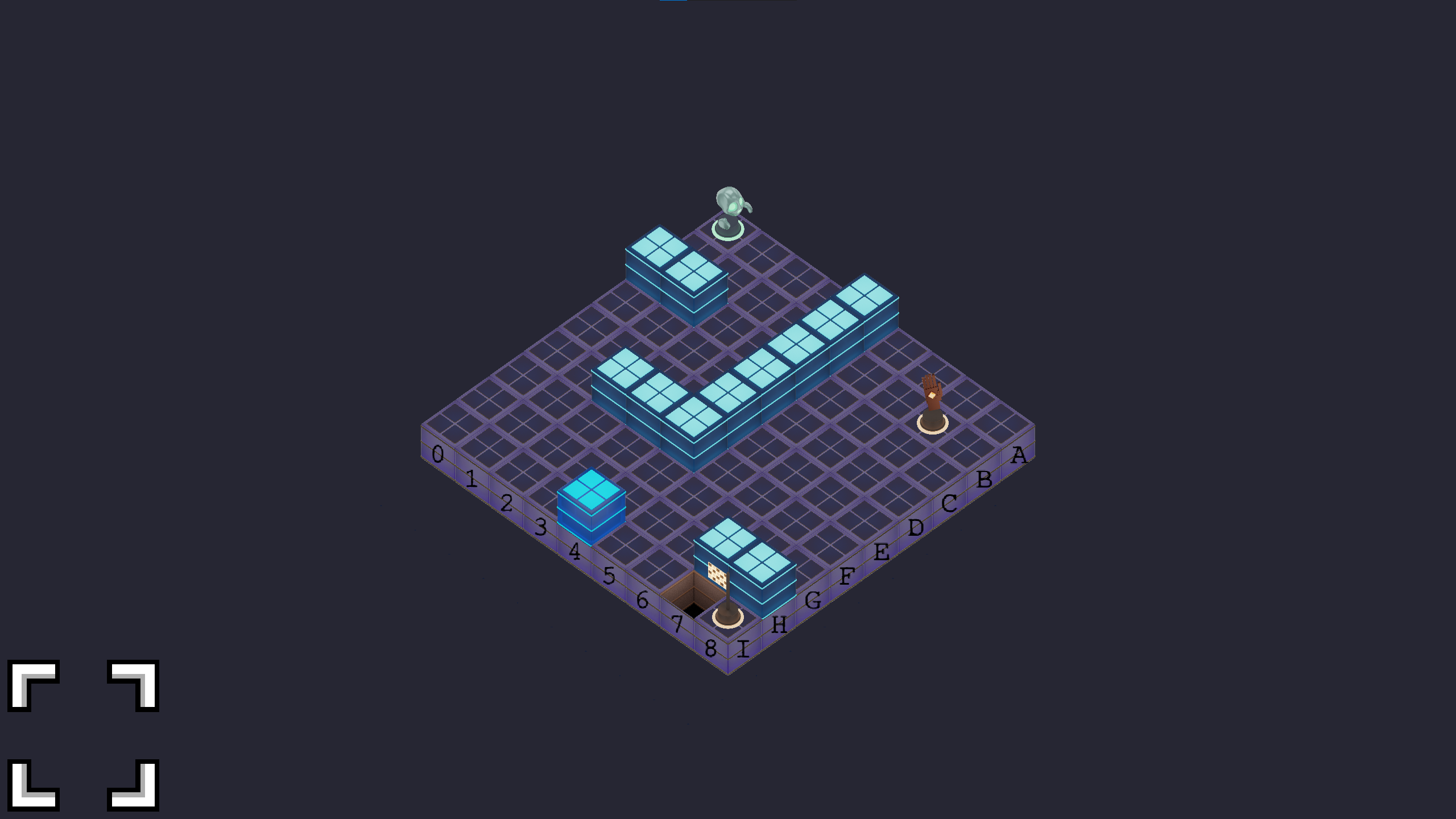
Level 1 – The First Step
Objective: Teach players how local blocks work.
Mechanics Introduced:
Players move local blocks that do not affect the parallel world.
Learn that each world has separate physics.
Expected Outcome:
Players understand how their actions affect only their world.
They start experimenting with movement mechanics.

Level 2 – The Detective’s Glove
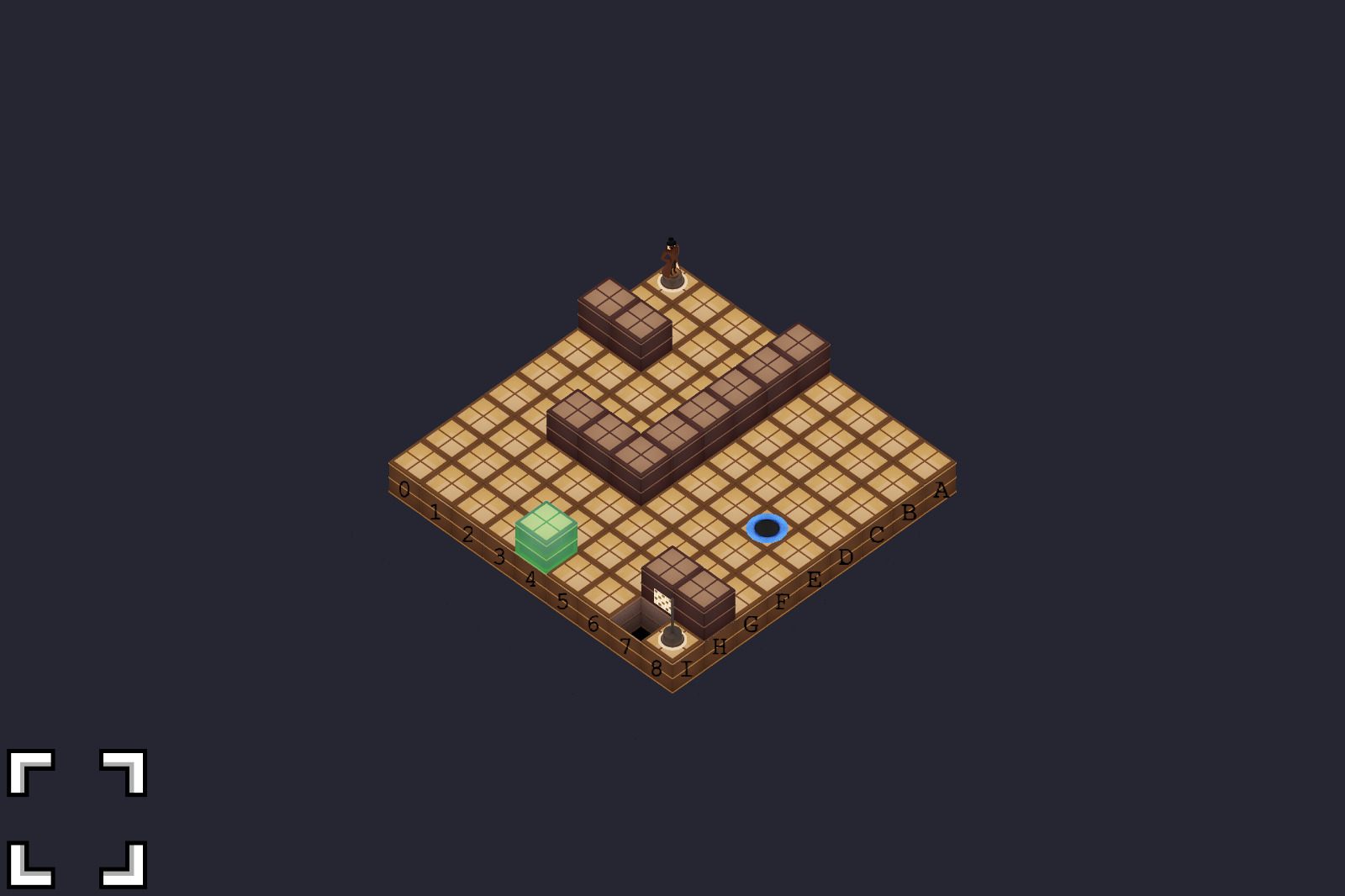
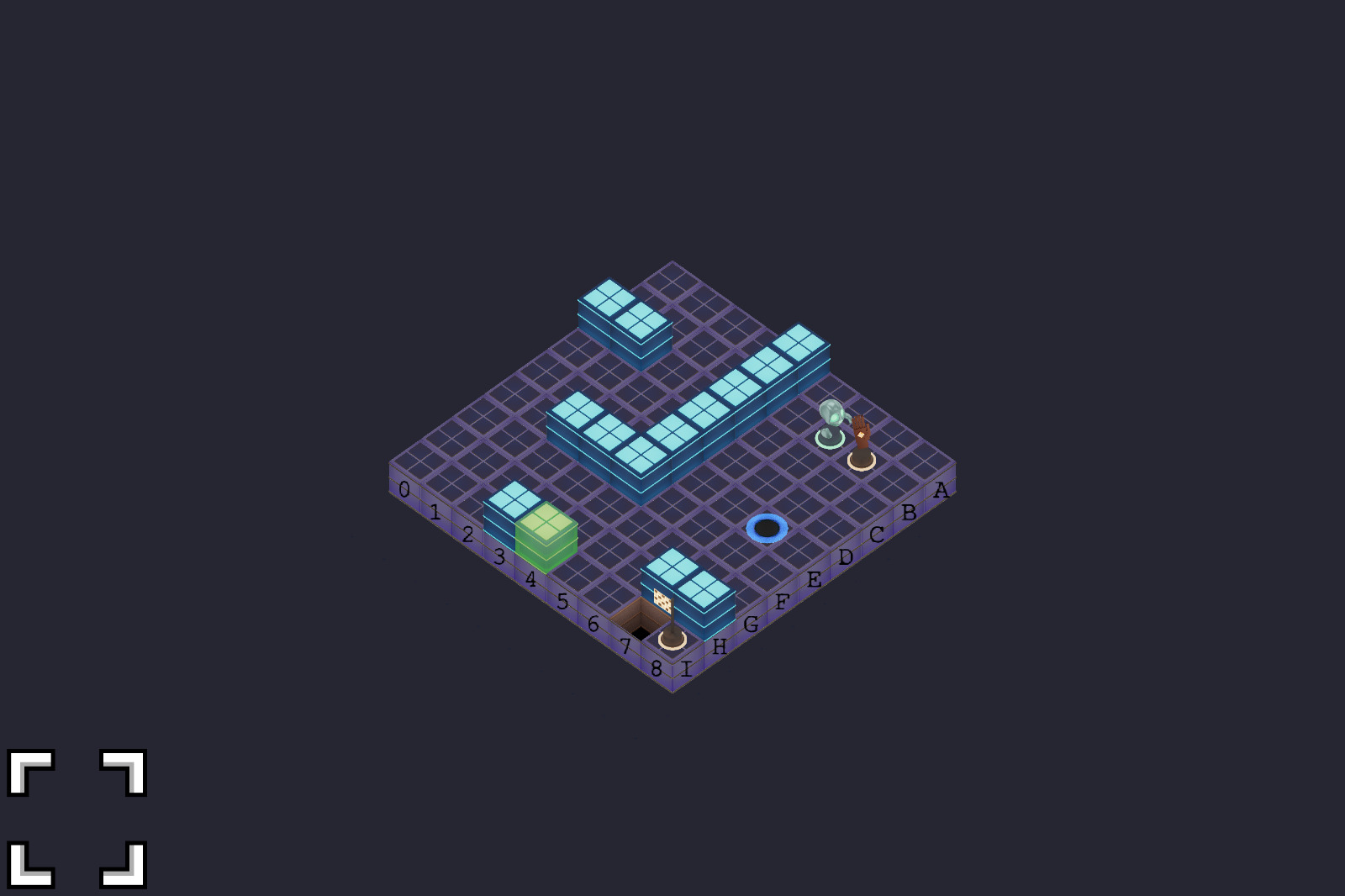
Objective: Introduce the glove and portal mechanics.
Mechanics Introduced:
The glove allows interaction with objects.
The portal is used to transfer the glove between players.
Expected Outcome:
Players recognize that passing the glove is necessary for solving puzzles.
They begin to coordinate actions to progress.
Level 3 – The Switch
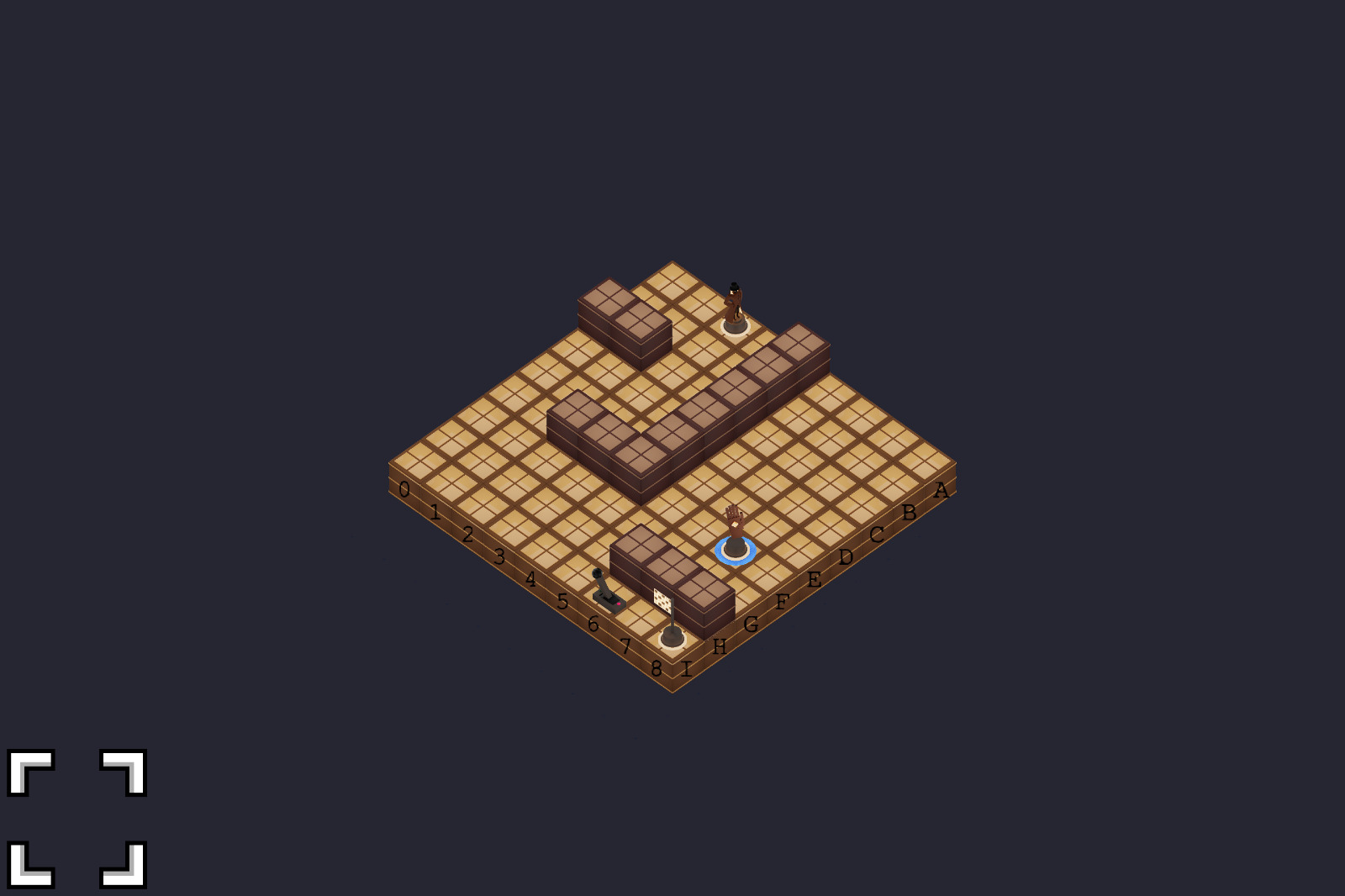
Objective: Introduce the concept of switches and their effect on spikes.
Mechanics Introduced:
The switch can be activated using the glove.
Activating a switch removes spikes in the parallel world.
Expected Outcome:
Players understand that they need to collaborate to clear obstacles.
They develop a strategy for interacting with shared game elements.
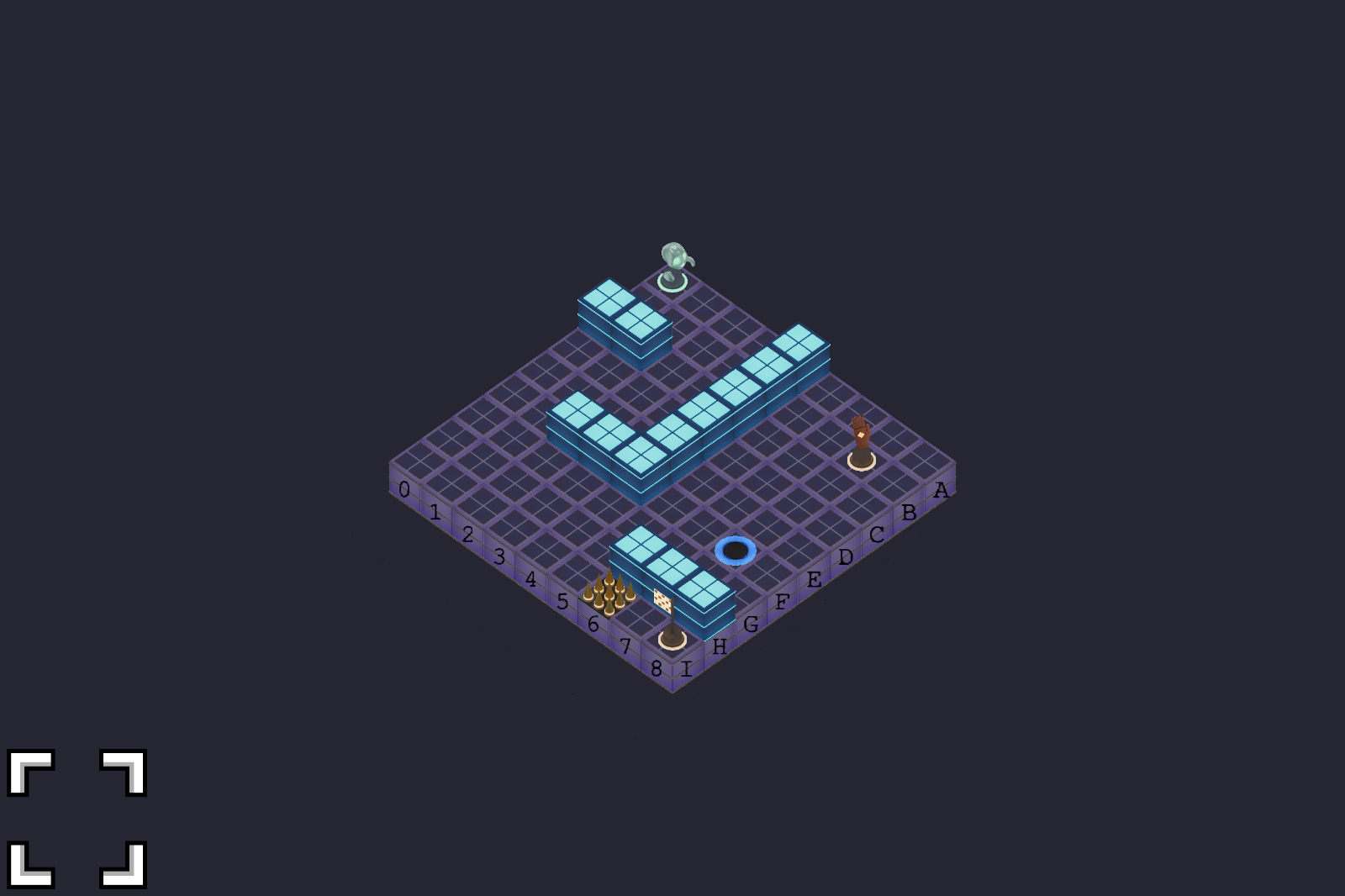
Conclusion - Tutorial
The level design ensures a smooth learning curve, reinforcing cooperative gameplay while introducing mechanics progressively. Through gradual complexity increases and clear guidance, players will be well-prepared for the full game experience.
Main Level
Design Goals - Main Level
Challenging the player: Players should be challenged (especially in later levels), but not overwhelmed.
Encourage team play: The levels should be structured in such a way that they encourage team play and require good communication.
Fun: In addition to the other aspects, the levels are primarily intended to be fun for the players.
Important Questions
How easy/difficult is the level actually?
Is the level solvable?
Is the level “breakable”?
Is the level (still) fun?
How could we answer these questions?
Sketches: Sketches have helped enormously in sketching levels before the actual implementation and in determining which objects should appear in the level and where they can be placed.
Testing: Testing the levels in particular was crucial to answering the questions above. Above all, it quickly became clear whether the level was fun and solvable. An important aspect of this was that the people involved had nothing to do with creating the levels. This provided a clear and unbiased view.
Main Level Overview
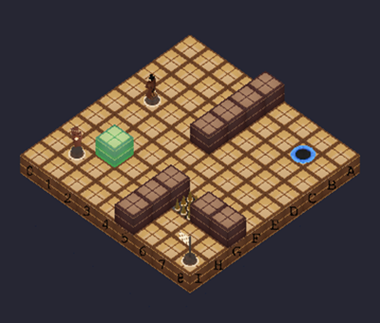
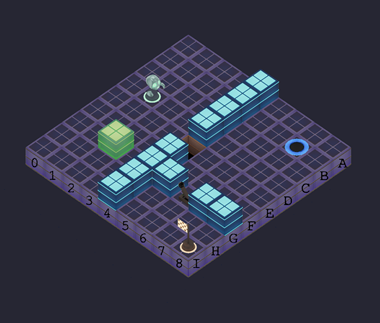
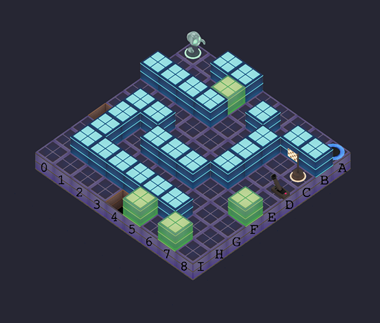
Level 1 – Easy
 |  |
|---|---|
detective view | ghost view |
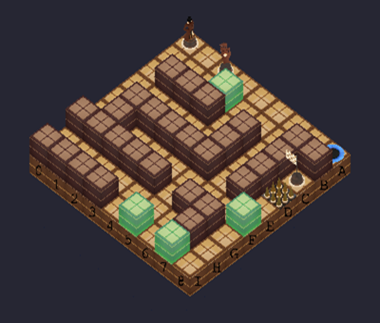
Level 2 – Medium
 |  |
|---|---|
detective view | ghost view |
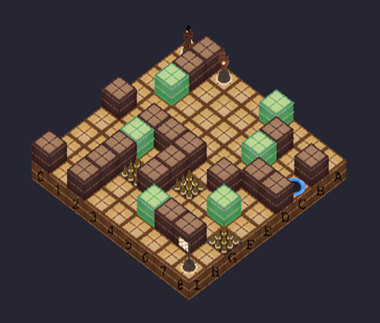
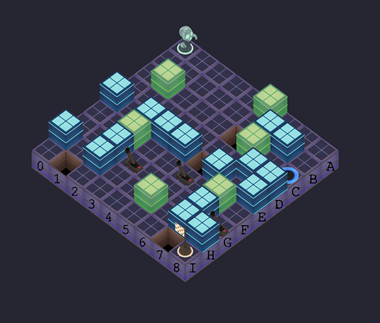
Level 3 – Hard
 |  |
|---|---|
detective view | ghost view |
Conclusion - Main Level
Creating complete levels is an important and challenging task. After all, they represent the actual game. A level must always be solvable, unbreakable and fun at the same time.
In our particular case, these points must also apply to two players at the same time. The more difficult a level is to be, the more aspects have to be taken into consideration when implementing it.